


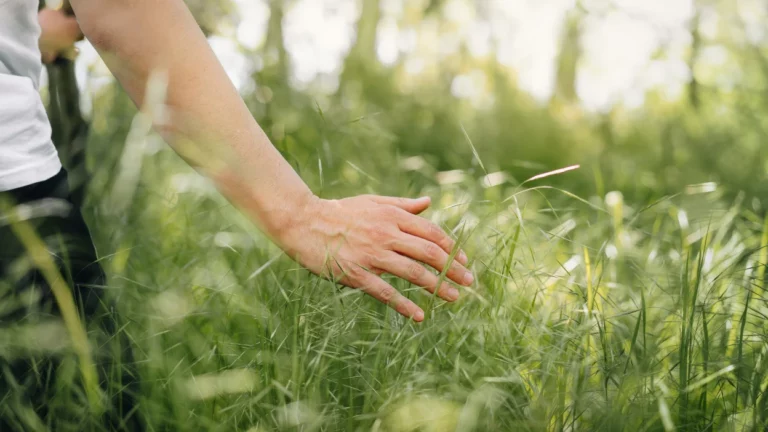
In the age of smart phones, social media, and endless screens, it is easy to get lost in the digital world. From scrolling through Instagram feeds to binge-watching Netflix, our attention is often fixed on virtual spaces that demand constant interaction. But recently, a phrase has been popping up on social media and in conversations: “Go touch grass.” While it might sound like a playful or even sarcastic suggestion, this phrase is much more profound than it seems—it is a modern-day call to reconnect with nature, step away from the screens, and find balance in a world that is becoming increasingly digitized.

What Does “Go Touch Grass” Mean?
At its core, “Go touch grass” is a lighthearted way of telling someone to step away from their computer, phone, or gaming console and experience the outdoors. It is often used in response to someone who seems overly invested in online debates, drama, or negativity, urging them to take a break and ground themselves in the real world. In a sense, it’s a reminder that there is more to life than the virtual environment—nature is waiting, and it is good for both the body and the mind.
While the phrase has been adopted widely as a meme or piece of internet slang, its underlying message resonates deeply in today’s fast-paced, tech-driven society. It is an invitation to practice mindfulness and self-care by taking a break from the digital world and reconnecting with the physical one.
The Importance of Taking Breaks from Screens
The average person spends hours each day staring at a screen. Whether it is for work, entertainment, socializing, or even unwinding, the hours add up quickly. But this constant exposure to screens can have negative effects on our physical and mental well-being. Here are some reasons why “touching grass” is actually a pretty good idea:
1. Mental Clarity and Reduced Stress
Research has shown that spending time outdoors, especially in nature, can significantly reduce stress levels. Nature has a calming effect on the brain, helping to clear mental fog and improve overall mood. Being outdoors helps regulate the body’s cortisol levels (the stress hormone), leading to a sense of calm and relaxation.
When you step outside, even for just a few minutes, you give your mind a chance to reset. The act of leaving the screen behind and focusing on the present moment is a simple yet powerful way to improve mental clarity.
2. Physical Health Benefits
Sitting for long hours in front of a screen can lead to various health problems, including eye strain, back pain, and poor posture. Taking regular breaks and getting outside for a walk or simply stretching in the grass can help alleviate these issues.
Moreover, exposure to natural sunlight boosts your body’s production of Vitamin D, which is essential for maintaining bone health and a strong immune system. Regular outdoor activity can also enhance cardiovascular health, improve sleep quality, and contribute to overall physical fitness.
3. Improved Creativity and Problem-Solving
If you are feeling stuck on a problem or need a creative spark, going outside can often be the solution. Research has found that spending time in nature can improve cognitive function and boost creativity. Natural environments give the brain a chance to wander and think freely, away from the constraints of digital distractions.
Taking a walk outside or simply sitting in a park can give you the mental space needed to think outside the box and find innovative solutions to challenges.
4. A Break from Digital Overload
Constant notifications, messages, and social media updates can lead to digital burnout. The never-ending cycle of being “on” all the time can wear down even the most dedicated digital natives. “Touching grass” is not just about physically disconnecting; it is a metaphor for taking a break from the constant barrage of information.
By taking a step back and spending time in nature, we can regain a sense of balance and perspective. We realize that there is more to life than our digital identities, likes, retweets, and the opinions of people we might never meet in real life.







प्रतिक्रिया