


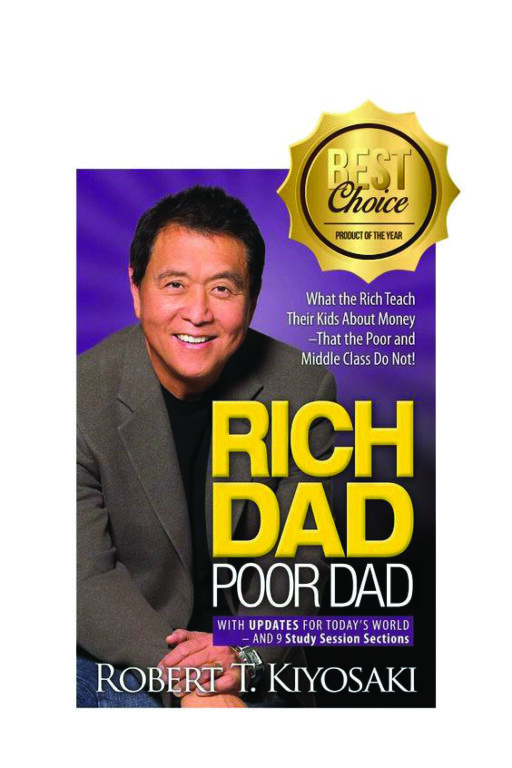
Author and Background
“Rich Dad Poor Dad” by Robert T. Kiyosaki, published in 1997, is a groundbreaking book that has transformed the way people think about personal finance and investing. Drawing from his own life, Kiyosaki contrasts the financial philosophies of his two fathers—his biological father (Poor Dad) and the father of his best friend (Rich Dad). The book has achieved global success, selling over 40 million copies and being translated into more than 50 languages.

Thesis of “Rich Dad Poor Dad”
The central thesis of “Rich Dad Poor Dad” is that financial education is crucial for achieving financial independence and success. Kiyosaki argues that the traditional approach to education, which emphasizes working for money, is flawed. Instead, he advocates for financial literacy and investing in assets that generate income.
Chapter-Wise Summary
Chapter 1: Rich Dad, Poor Dad
Kiyosaki introduces his two fathers and their contrasting attitudes toward money. Poor Dad, his biological father, represents the traditional mindset of getting a good education and a stable job. Rich Dad, his mentor, teaches him about the importance of financial education and making money work for you.
Chapter 2: The Rich Don’t Work for Money
This chapter emphasizes the importance of understanding how money works and making it work for you. Kiyosaki shares lessons from Rich Dad about investing and building assets that generate passive income.
Chapter 3: Why Teach Financial Literacy?
Kiyosaki explains the concept of financial literacy and why it’s essential for financial success. He discusses the difference between assets and liabilities and the importance of acquiring assets that generate income.
Chapter 4: Mind Your Own Business
This chapter encourages readers to focus on building their own businesses and investments rather than solely relying on employment. Kiyosaki stresses the importance of developing a mindset of entrepreneurship and self-reliance.
Chapter 5: The History of Taxes and the Power of Corporations
Kiyosaki provides a brief history of taxes and explains how the rich use corporations to protect and grow their wealth. He highlights the advantages of understanding tax laws and leveraging them to your benefit.
Chapter 6: The Rich Invent Money
This chapter discusses the importance of creativity and innovation in wealth creation. Kiyosaki shares stories of individuals who used their ingenuity to create opportunities and build wealth.
Chapter 7: Work to Learn—Don’t Work for Money
Kiyosaki emphasizes the value of acquiring skills and knowledge rather than simply working for a paycheck. He encourages readers to seek jobs and opportunities that offer learning experiences and personal growth.
Chapter 8: Overcoming Obstacles
This chapter addresses common obstacles to financial success, such as fear, cynicism, laziness, bad habits, and arrogance. Kiyosaki offers strategies for overcoming these barriers and achieving financial goals.
Chapter 9: Getting Started
Kiyosaki provides practical advice on how to start your journey toward financial independence. He discusses the importance of taking action, setting goals, and continually educating oneself.
Chapter 10: Still Want More? Here Are Some To Do’s
In the final chapter, Kiyosaki offers additional tips and resources for those who want to further their financial education and take control of their financial future. He encourages readers to seek mentors, attend seminars, and read books on personal finance and investing.
Conclusion
“Rich Dad Poor Dad” by Robert T. Kiyosaki is a must-read for anyone seeking to improve their financial literacy and achieve financial independence. By contrasting the philosophies of his two fathers, Kiyosaki provides valuable lessons on the importance of financial education, investing in assets, and making money work for you. This book is an essential guide for anyone looking to break free from the traditional mindset of working for money and start building wealth through smart financial practices.






प्रतिक्रिया